

Overview
This surgical procedure is performed to deliver a baby through an incision in the pregnant mother’s abdomen. Although some cesarean sections are planned ahead of time, most are performed when unexpected problems arise during labor or delivery.
Why the Procedure is Performed
Cesarean sections are often performed when a vaginal delivery is not safe for the mother or baby. Cesareans are commonly performed for complications such as stalled labor, internal bleeding, or reduced oxygen supply to the baby. A cesarean may be performed if the baby is very large. It may be performed if the baby is positioned abnormally, or if the placenta is blocking the cervix. A cesarean may also be performed if the mother is giving birth to multiple babies, or if the mother has an unstable medical condition.
Anesthesia
Most cesareans are performed with regional anesthesia. The patient may be given a spinal block or epidural to numb the lower part of the body during the surgery. In some cases, general anesthesia may be required.
Types of Incisions
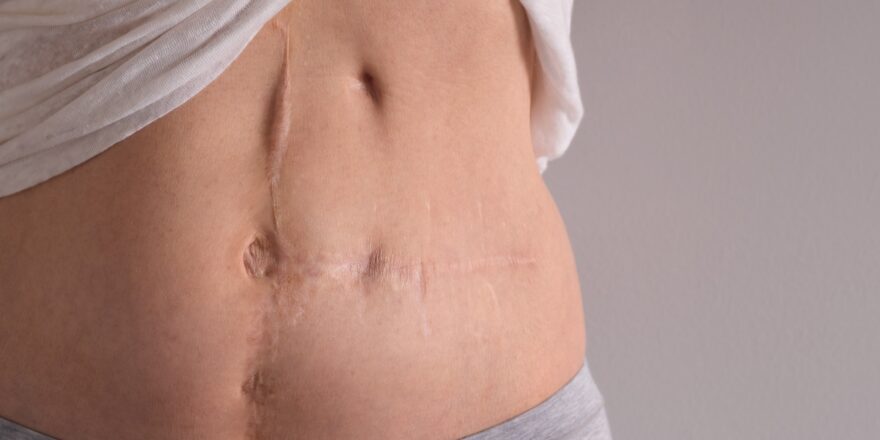
During a typical cesarean, the surgeon creates an incision horizontally across the abdomen near the bikini line. This is commonly called a “bikini” incision. However, in some cases, the physician may make an incision from the belly button to the pubic bone. This is commonly called an “up and down” incision. The surgeon will also create an incision in the uterus. The uterine incision may be horizontal or vertical. The type of uterine incision made may affect a woman’s ability to have a vaginal delivery during a future pregnancy.
Recovery
Patients will be able to breast feed immediately after the surgery. Most patients are able to leave the hospital within two to three days of the procedure. Full recovery from a cesarean section will take about four to six weeks.